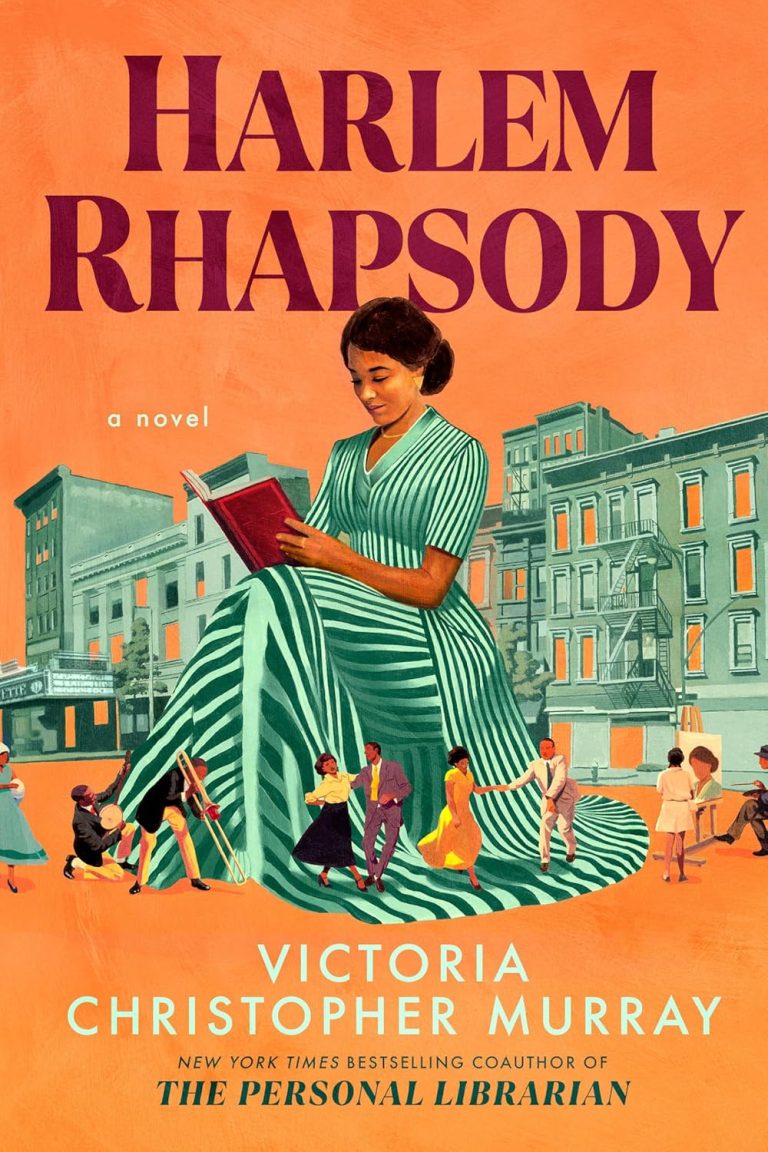
Harlem Rhapsody by Victoria Christopher Murray
A review of Harlem Rhapsody by Victoria Christopher Murray.

 Story Street Writers
Growing up in Appalachia, I was surrounded by natural storytellers. The air around me permeated with their tales while I read every book I could find. Stories became essential to my identity. I was lucky to have parents who encouraged reading. Our home was too rural to use the closest public library, so my mother would take me every year to a charity book sale where you could fill up a Walmart bag for a dollar. We would leave with the bed of her red Silverado loaded down with books. I would then lay them all on the living room floor, showing my dad every book I had picked. Undiagnosed dyslexia left my dad barely able to read into adulthood. He would beam at me and my piles of books, proud to foster a love of story for his daughter. Moments like these formed me.
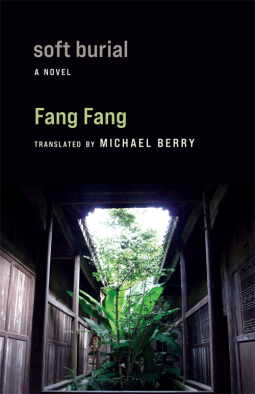
Soft Burial by Fang Fang was originally met with critical acclaim upon its publication in China in 2016 and even received the Lu Yao Literature Award, but by May 2017, the work had been denounced and removed from stores.
The novel opens with a nameless protagonist suffering from amnesia since 1952 after being pulled, barely alive, from a river.…
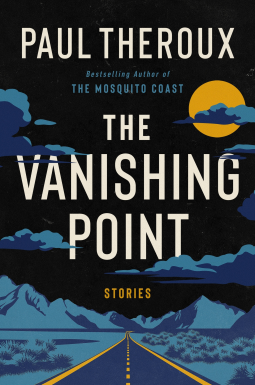
Paul Theroux is a prolific author who, at 83, is reflecting on life and aging in his new short story collection, The Vanishing Point. The stories are mostly unrelated (except for the last section, which focuses on the character Andy Parent).…
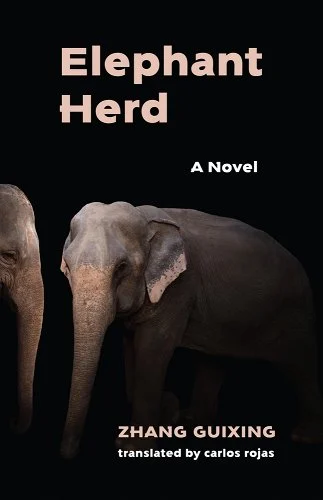
Elephant Herd by Zhang Guixing, translated by Carlos Rojas, follows Shi Shicai as he travels in the rainforest searching for his uncle, the leader of a communist guerilla group. The novel jumps in time mid-paragraph, blurs humanity and nature, and includes elements of magical realism.…
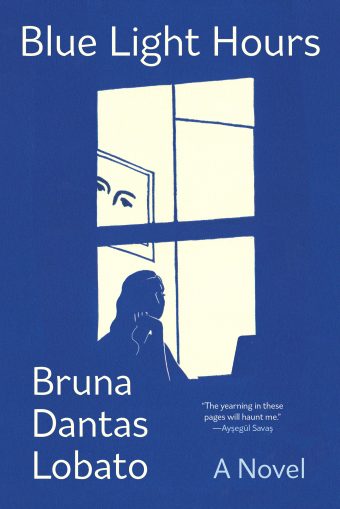
We’ve all been there – sitting in the blue glow of the screen that holds the image of the loved one we would do anything to have in our arms. Blue Light Hours by Bruna Dantas Lobato is a novel about that unique brand of loneliness.…
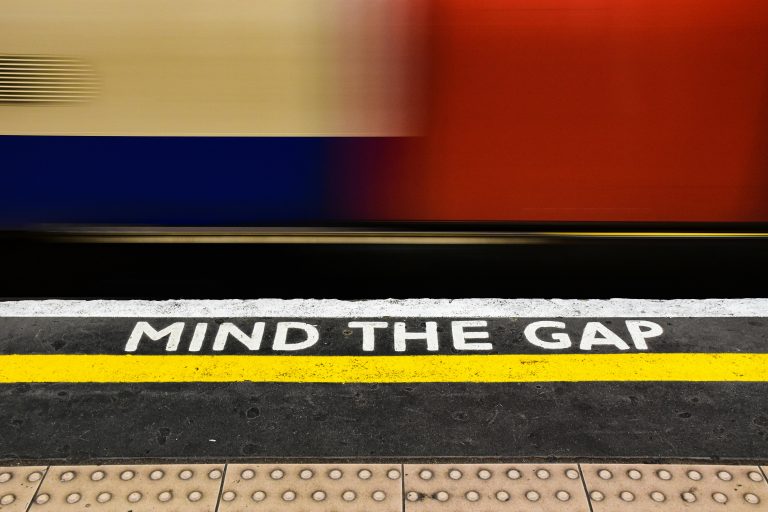
As writers, we often desire to close the gap between our characters and readers. We want readers to become so engrossed in the characters’ lives that they forget they are reading. This gap between the reader and the text can widen when the author uses an indirect characterization method.…
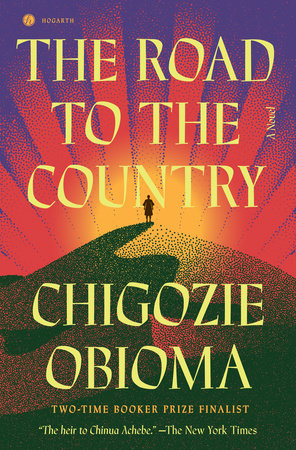
TRIGGER WARNING: Graphic Violence
The Road to the Country by Chigozie Obioma is a brutal and honest look at war and genocide. Kunle, the novel’s protagonist, is defined by the guilt he feels over a childhood accident that left his younger brother paralyzed.…