

Several judges contributed to the first “Story Street Writers’ contest, the Nightmare on Story Street 100 Word Horror Story Contest.” I was the loudest proponent of the contest and due to my Catholic guilt, I poured myself into the shared task of judging the first two rounds.
As the rounds progressed and the discussions about which entries to advance to the next round became more animated, I found myself reflecting more and more about editing.
I know the mantras of editing. They’re valuable to me but easy to forget. Judging, for me at least, was a study in the elemental crafts of editing a passage. Of course, it was a 100-WORD HORROR STORY contest, and so the story told in each entry mattered, and every entry had to fit, even if the fit was loose, into the HORROR genre, but the difference between the stories often came down to the 100-WORD part.
I don’t mean the word count; our software handled that part for us. I’m talking about the effective and elegant economy of words that allowed the best stories to have more story, more creepiness, and richly developed tone and mood.
In my own writing, the economy of words develops in the editing process. When I sit to write, I have a plan for what I need to accomplish with the passage at hand. I know the narrative voice, the tone of the passage, and what each of the characters wants from the moment. I plan the big things, but the act of writing for me is a moment-by-moment search for the right words, then building evocative and lyrical sentences while controlling pace and making sure I stick to my larger craft goals from above. I think about the pace of story in the passage, but not much about narrative pace. In a first draft I usually write too much rather than too little.
In other words, editing is where I try to conjure magic out of the sweat, grief, and time I put into the writing. Editing is where it’s at.
Judging was a refresher course in how to edit, taught so well by the writers who made it into the hotly contested final round. Read the winner and the excellent honorable mentions. They conjure the magic we all seek as readers, and they do it with only 100 words. They’re remarkable.
These excellent stories remind me of my mantras of editing, written on a page somewhere and then too often forgotten. I don’t claim that these rules should be universal, but they’re my rules. Here are some them.
- If my work includes a story, tell the story. Deliver a complete package. Make it transparent, opaque, or ambiguous. Place it right out in front or bury it under whatever fog I have designed—whatever serves the work—just don’t frustrate the reader with a story that can’t be understood.
- Remain invisible. For me, this means my exercise of craft must be subtle. I want the reader to feel—not read—the tone and get to know the narrators rather than be introduced to them. I want to leave the cleverness to the characters. I want to remain invisible to the reader.
- I want the reader to discover the story, to find it rather than be told it. In writing, I blaze past this rule. In editing, I pull out words constantly. I delete whole paragraphs of carefully constructed sentences that I love, often pasting them in a graveyard at the end of the passage. It’s easier for me to say goodbye to them once I’m happy with the passage.
- Let it sit. I try not to edit right away. If I let it sit a few days before editing, I’m more able to read the passage as a reader rather than the creator. Reading as a reader is essential.
- More granularly, every word must face a firing line. Every sentence should serve at least two masters—tone and story, character arc and voice, etc—every paragraph must be essential to at least one craft element.
- And, when all the cutting is done, I give it a final read for story. It’s a return to my first rule above. This “final” check seals the passage, at least for this round of editing.
That’s it. It’s not complicated, but it is difficult. At least for me, editing is where the trickery of craft becomes the magic of storytelling.
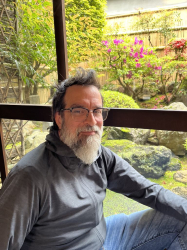
When he's not swimming or paddling in the ocean, Jack works on his current project, We, a novel of love, loss, vengeance, and peace. An excerpted chapter of We has been published in Harvard's The Brattle Street Review. He also writes the twice monthly column "A Work in Progress" for Story Street Writers.
- SSW Interview of Our Summertime Sadness 100-Word Story Contest Winner - September 1, 2025
- A Work in Progress: Year One - April 8, 2025
- What I Learned Judging a Flash Fiction Contest - November 14, 2024
Sign up to our newsletter to receive new articles and events.